
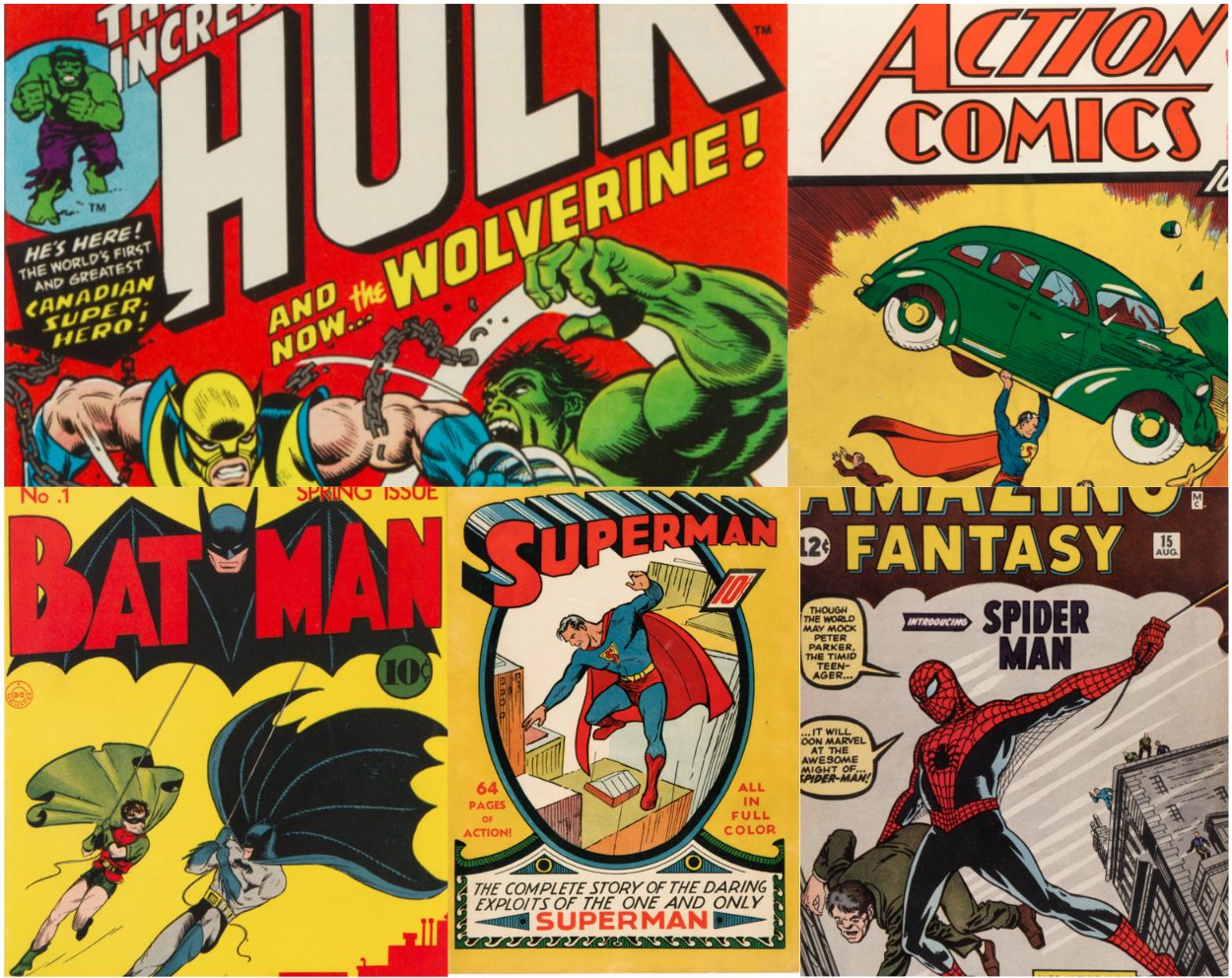
Comic books are one of the most exciting art forms in the world. They combine pictures and words to tell stories in a way no other medium can. But how did comic books begin, and how did they grow into the global phenomenon we know today? Let’s take a trip through the history of comic books, from their humble beginnings to the modern age of superheroes and beyond.
The Early Days: Comic Strips and Pulp Influence
Before comic books existed, there were comic strips in newspapers. In the late 19th century, artists began drawing funny, colorful strips like The Yellow Kid (1895), often considered the first American comic strip. These short stories became so popular that publishers saw an opportunity to collect them into booklets.
At the same time, pulp magazines filled with thrilling adventure tales influenced what would later become comic books. These pulps were cheap, exciting, and easy to carry, laying the groundwork for the kind of storytelling that comics would soon deliver.
The Golden Age (1930s–1950s)
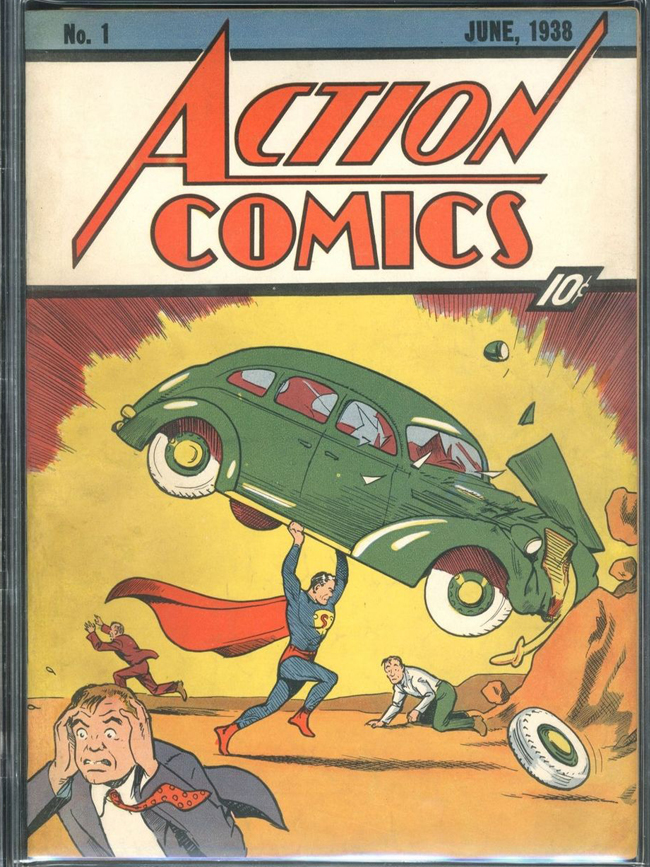
The official comic book era began in the 1930s, with the release of original stories rather than just reprints of newspaper strips. The year 1938 marked a turning point with the debut of Superman in Action Comics #1. This issue is often called the birth of the superhero genre.
Soon after, heroes like Batman, Wonder Woman, and Captain America followed, each capturing the imagination of readers during a time of global conflict and change. These characters gave people hope and excitement during the Great Depression and World War II.
The Silver Age (1950s–1970s)
In the 1950s, comic books faced challenges. Concerns about violence and influence on children led to the creation of the Comics Code Authority in 1954, which limited what could be published. But out of these restrictions, creativity flourished.
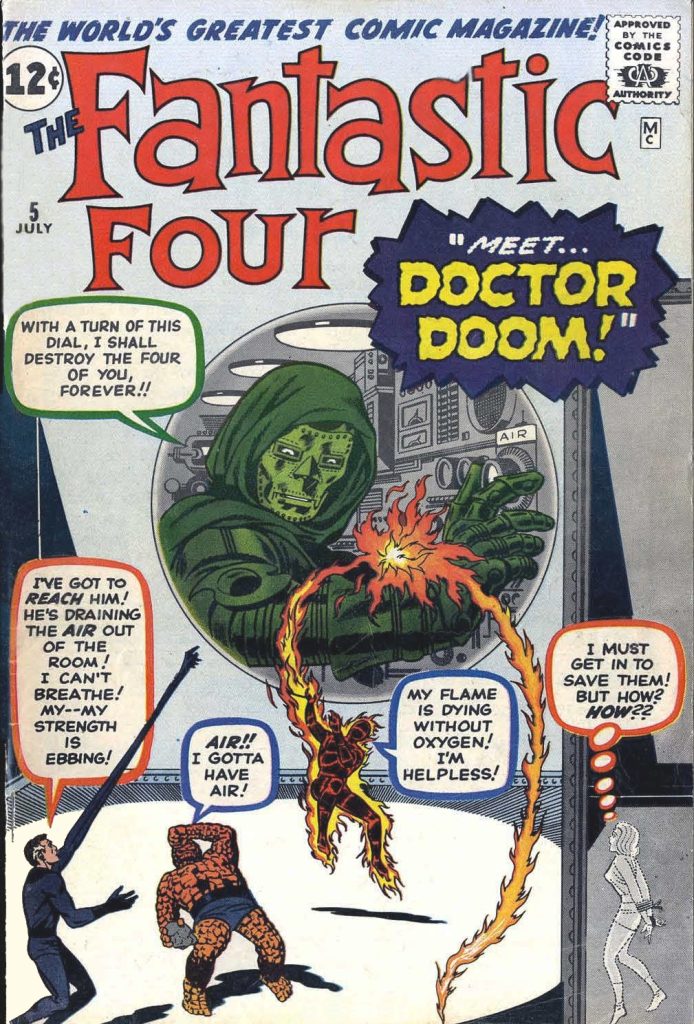
The Silver Age brought a wave of fresh heroes from Marvel and DC. Characters like Spider-Man, the Fantastic Four, the X-Men, and the Flash showed a new side of storytelling. These weren’t perfect heroes—they had flaws, struggles, and real-world problems. This shift made comics relatable to more people and helped the industry grow again.
The Bronze Age (1970s–1980s)
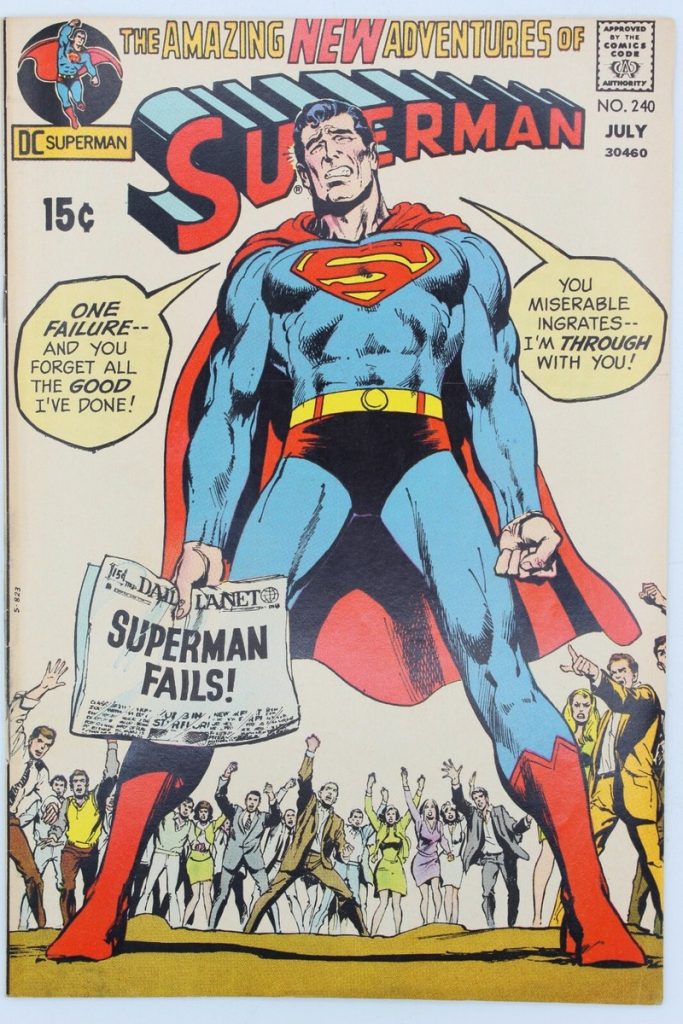
As society changed, so did comics. The Bronze Age introduced more serious themes, addressing issues like drug abuse, racism, and social justice. Iconic storylines like Green Lantern and Green Arrow tackling real-world problems showed how powerful the medium could be.
This era also brought darker tones to established heroes, setting the stage for the grittier storytelling that would soon dominate comics.
The Modern Age (1980s–Present)
The 1980s launched the Modern Age, a time of bold experiments and iconic works. Groundbreaking titles like Watchmen and The Dark Knight Returns pushed the boundaries of what comic books could say and how they could look.
Indie publishers also rose during this time, giving us unforgettable stories like Teenage Mutant Ninja Turtles and Spawn. By the 2000s, comic book culture exploded into the mainstream, thanks to blockbuster movies and television shows based on superhero characters.
Today, comics are more diverse than ever, with stories covering every genre—superheroes, fantasy, horror, romance, and even slice-of-life. Digital comics and graphic novels have expanded their reach, making them accessible to readers across the globe.
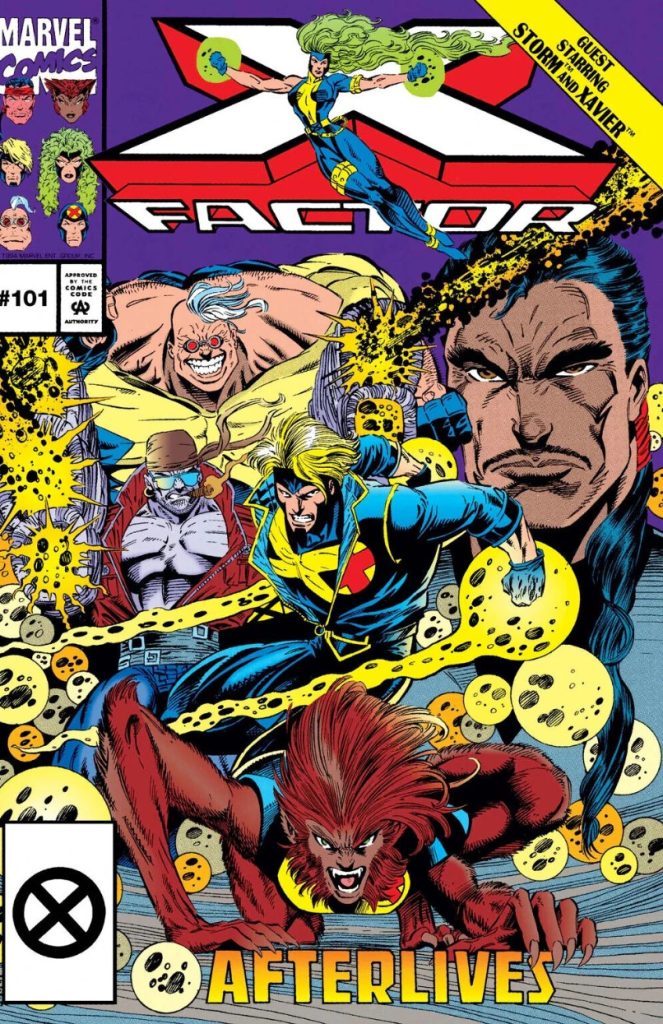
Why the History of Comics Matters
Comic books are more than just entertainment—they are a reflection of culture and history. From providing hope during wars to challenging social issues, comics have always been a mirror of society. Knowing their history helps us appreciate not only the colorful heroes and villains but also the artists, writers, and fans who kept this art form alive and thriving.
Conclusion
From humble comic strips to billion-dollar movie franchises, comic books have come a long way. They continue to inspire, entertain, and connect people across generations. Whether you’re a lifelong collector or someone just picking up their first issue, you’re part of a tradition that has shaped pop culture for over a century.